Room Layouts for Small Apartments
Designing a small apartment requires strategic planning. The key is to create zones that serve multiple purposes while maintaining visual flow and openness.
Interactive Room Planner
Drag and arrange modular furniture pieces to create your ideal layout
Interactive planner coming soon - drag furniture icons to arrange your space
Studio Apartment Layout (300-400 sq ft)
For studio apartments, create distinct zones using modular furniture:
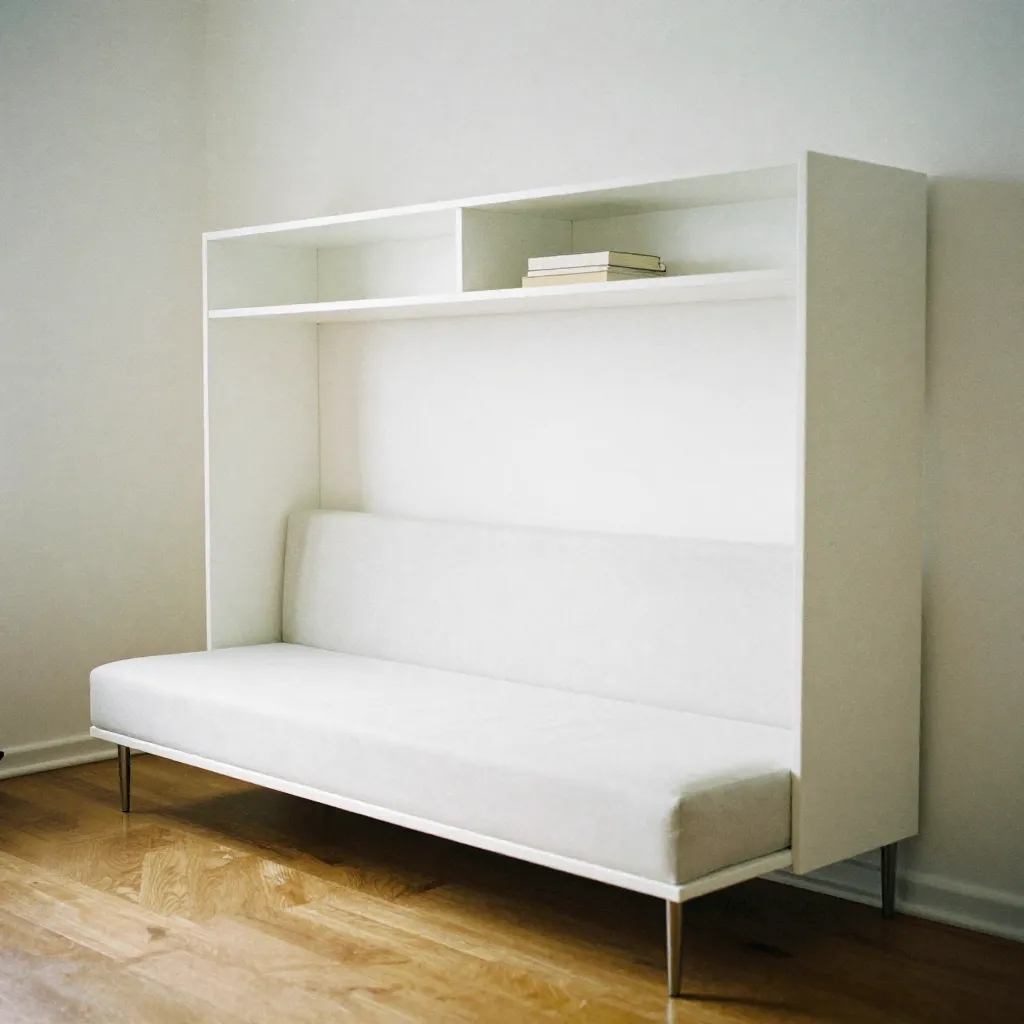
- Sleeping Zone: Use a convertible sofa bed or loft bed to free up floor space during the day.
- Living Zone: Position modular seating that can be reconfigured for entertaining or relaxing.
- Dining Zone: Install a wall-mounted drop table that folds away when not in use.
- Work Zone: Create a compact workspace using a modular desk that extends from storage units.
One-Bedroom Layout (500-600 sq ft)
With a separate bedroom, you have more flexibility in the main living area:
- Open Concept Living: Use room dividers with integrated storage to create visual separation without walls.
- Multi-Functional Furniture: Choose pieces that serve multiple purposes - storage ottomans, convertible coffee tables.
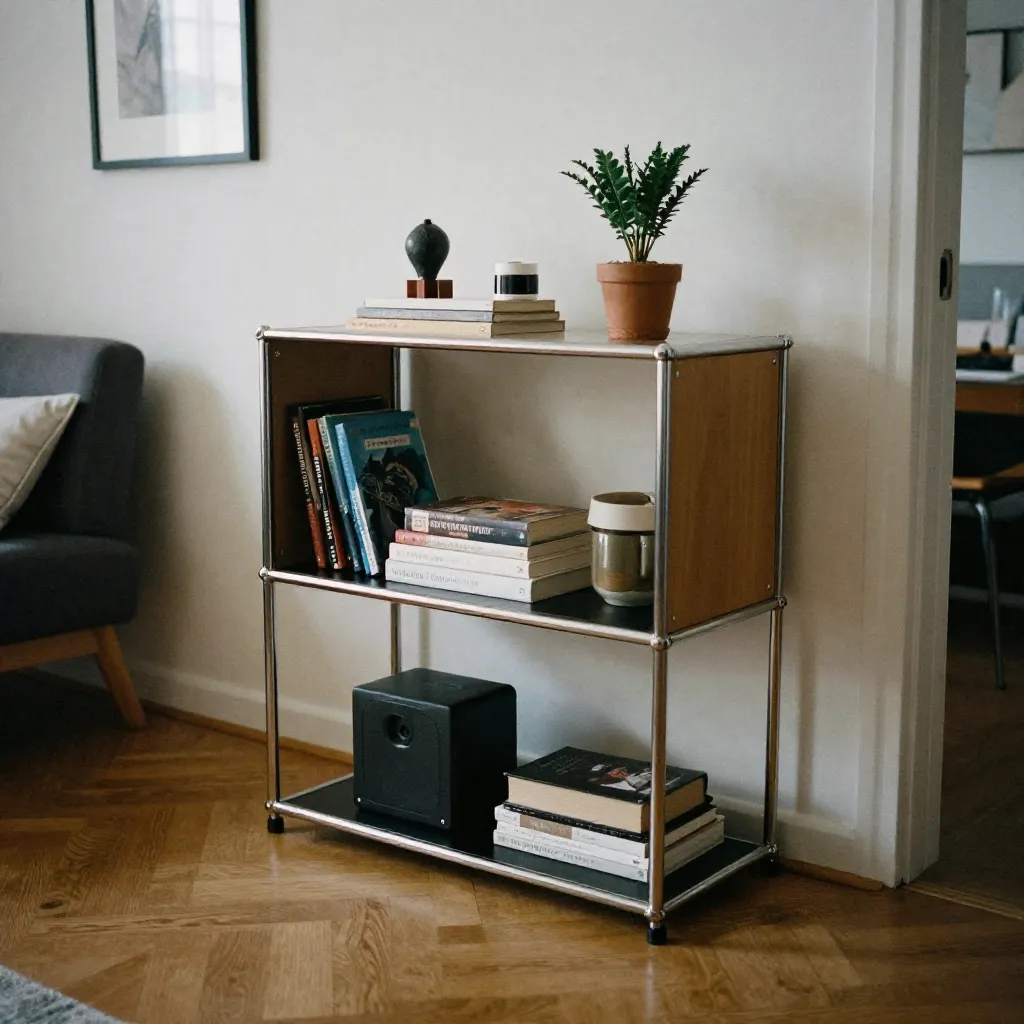
- Vertical Storage: Maximize wall space with modular shelving systems that can expand as needed.
Combining Modular Furniture Efficiently
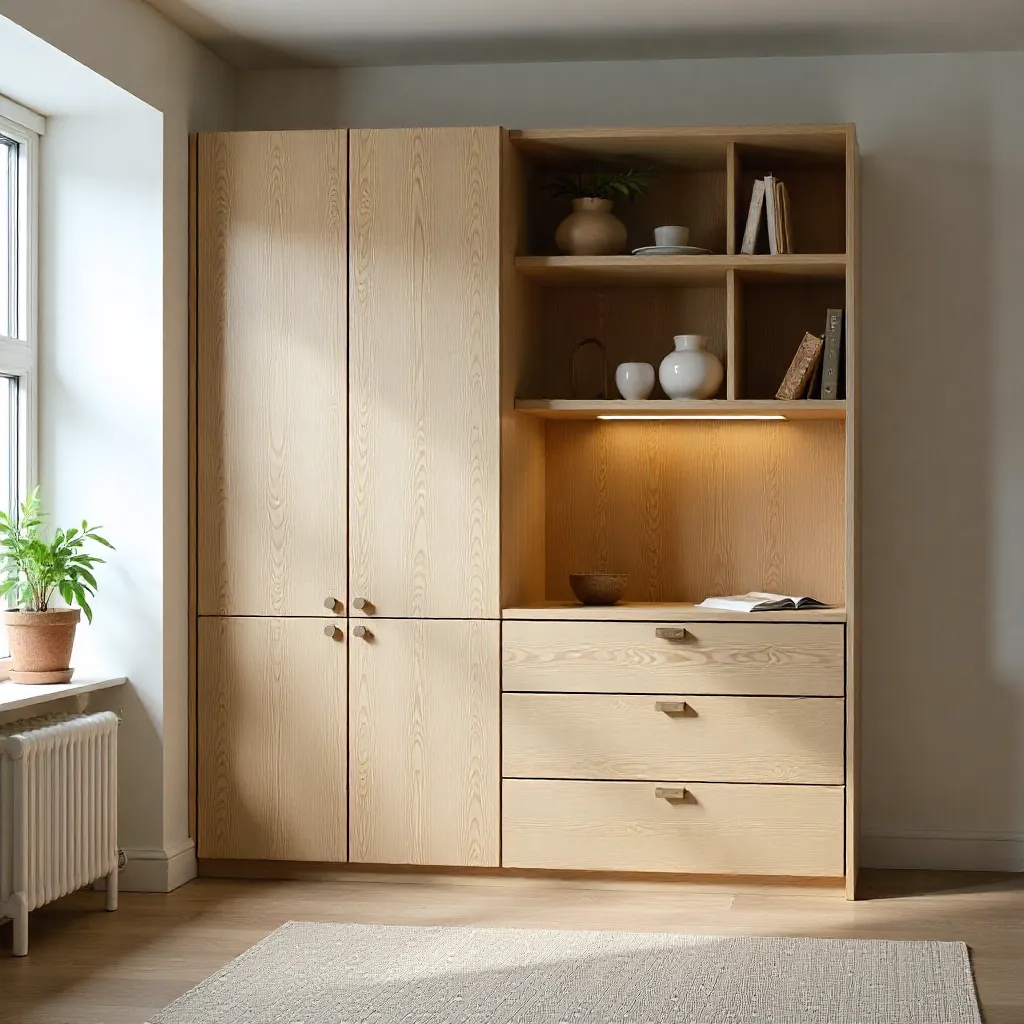
Stacking Strategy
Stack storage cubes vertically to create floor-to-ceiling storage while maintaining a clean look.
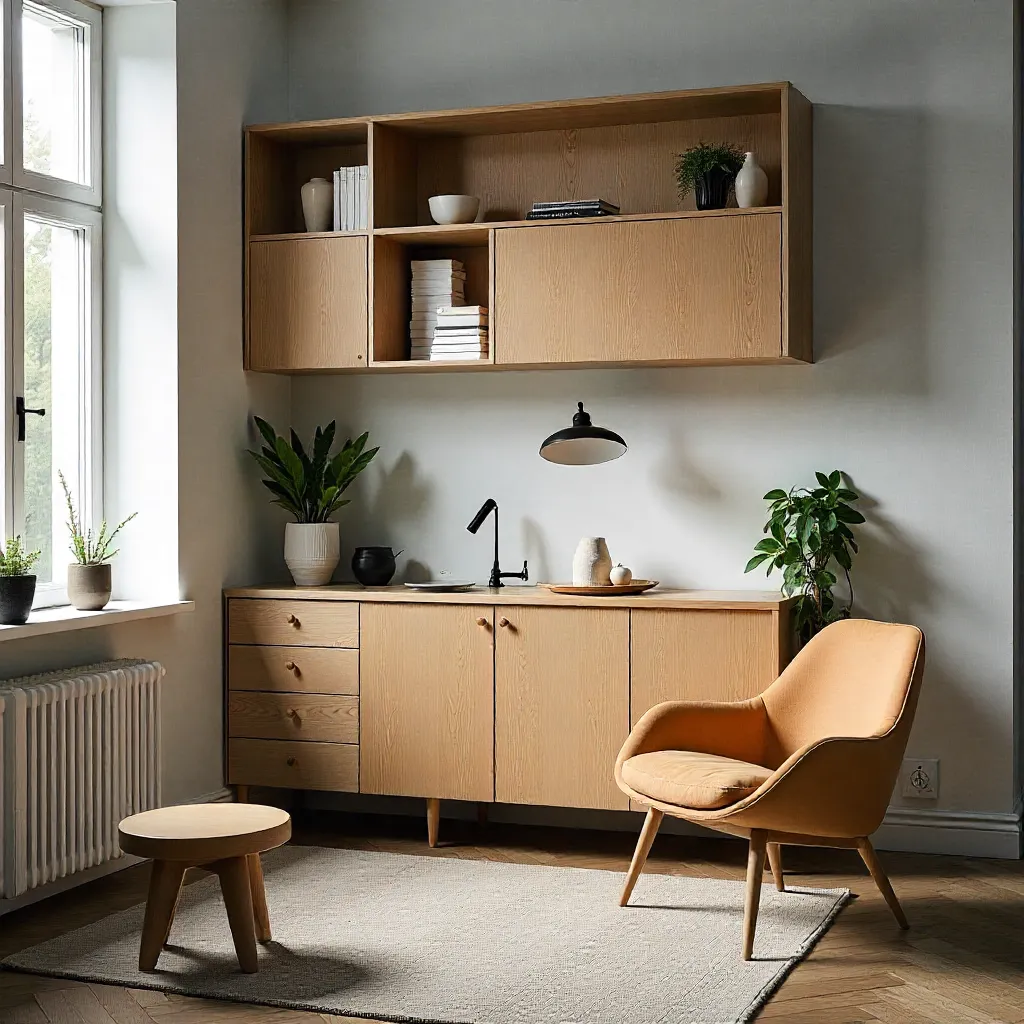
Connection Method
Connect modular pieces horizontally to create longer surfaces or larger storage areas.
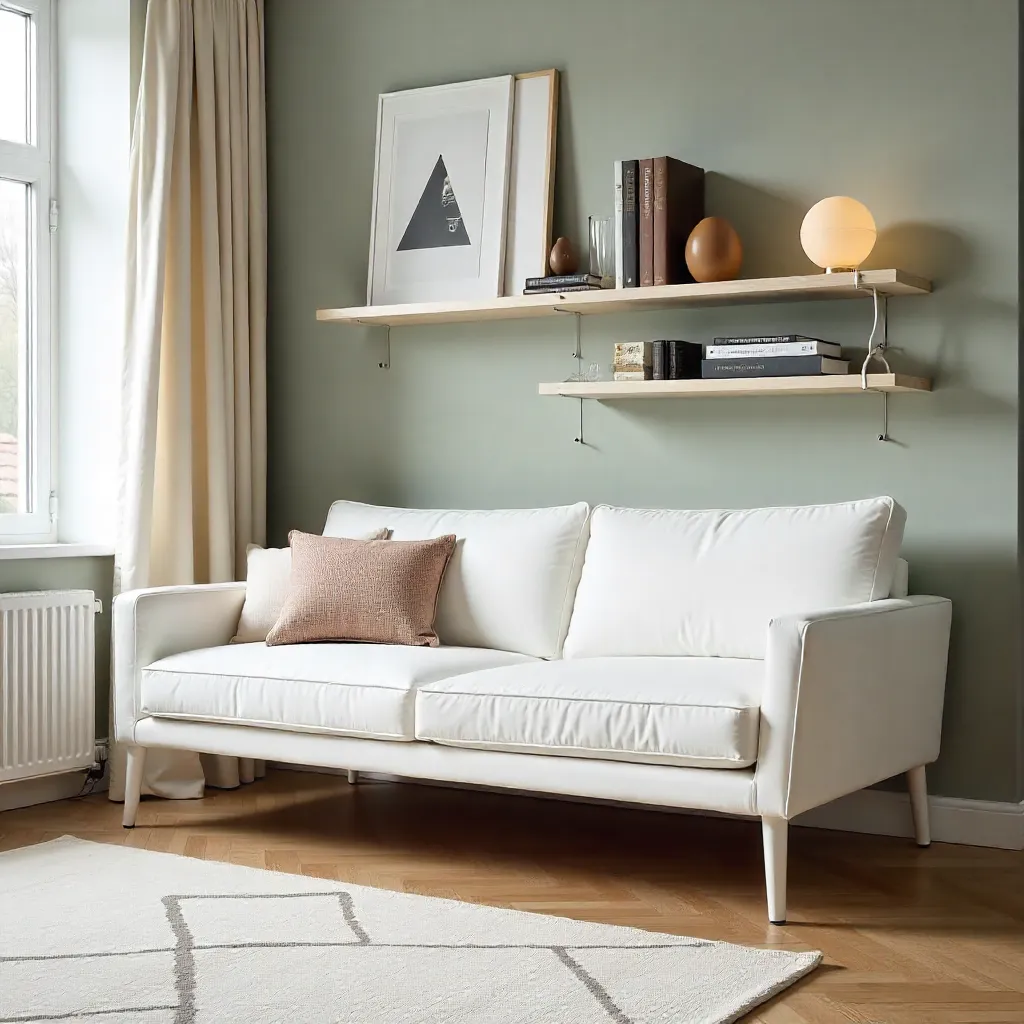
Nesting Approach
Use nesting tables and collapsible pieces that can be stored inside larger units when not needed.
Tips for Open vs Segmented Layouts
Open Layout Advantages
Open layouts create a sense of spaciousness and allow natural light to flow throughout the space. Use modular furniture to define zones without blocking sightlines:
- Low-profile modular sofas that can be arranged in different configurations
- Transparent or open storage units that don't create visual barriers
- Floating shelves and wall-mounted pieces to keep the floor clear
Segmented Layout Benefits
If you prefer defined spaces, use modular room dividers and storage systems to create separate zones:
- Modular room dividers with integrated storage and display
- Tall storage units that act as visual barriers
- Convertible pieces that can be arranged to create private areas
Lighting, Rugs, and Decor for Small Spaces
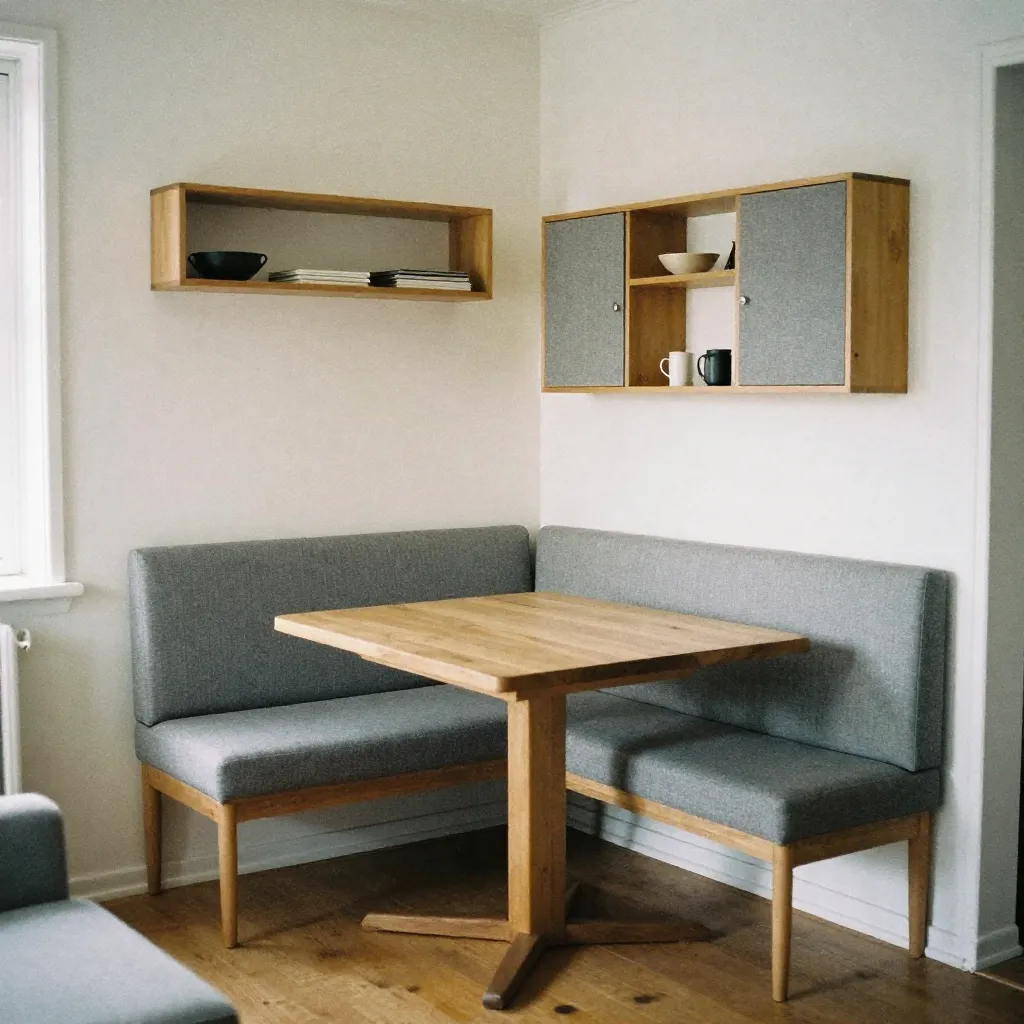
Lighting Strategy
Use layered lighting - ambient, task, and accent - to create depth. Wall-mounted lights save space and add style.
Rug Placement
Use rugs to define zones. Choose light colors and simple patterns to maintain the Nordic aesthetic.
Minimal Decor
Keep decor minimal and functional. Use modular storage to display items while keeping clutter hidden.
Step-by-Step Modular Room Setup
- Measure Your Space: Start by measuring your room dimensions and noting any architectural features like windows, doors, and outlets.
- Identify Your Needs: List your primary activities - sleeping, working, dining, entertaining - and prioritize based on frequency.
- Choose Core Pieces: Select 2-3 modular pieces that will serve as the foundation of your layout.
- Plan Zones: Sketch out zones for different activities, ensuring each zone can be created with modular furniture.
- Add Expansion Modules: Once core pieces are in place, add expansion modules as needed for storage or additional functionality.
- Test and Adjust: Live with the arrangement for a week, then adjust modular pieces to better suit your daily routine.